Prime Residential Milan
Some apartments are chosen for address. Others for how they hold space.
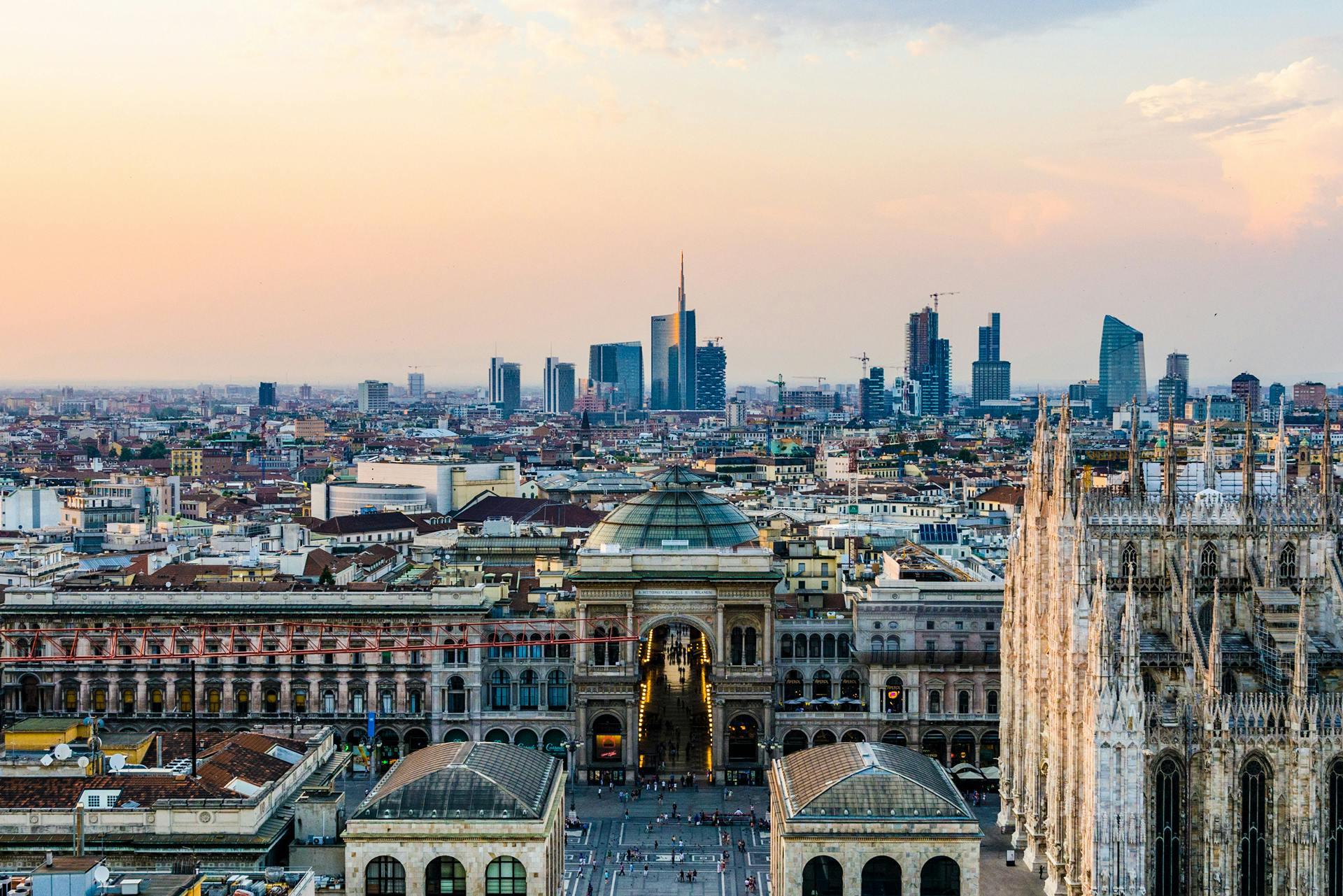
Milan beneath the surface
The Milanese residential market is layered and often opaque. The same street can hold properties of radically different value. What distinguishes a relevant property is not always location or price — it is spatial quality, the building's history, the logic of its construction. Urban Selection reads the market through this lens, before any financial consideration.
Architecturally significant properties — those where space, light and proportion converge — represent a small fraction of the total. Identifying them requires a method, not just access.
Urban Selection operates on both levels: the visible one, and the one that emerges through direct relationships with owners, architects and building managers.
The most significant apartments are rarely the most visible.
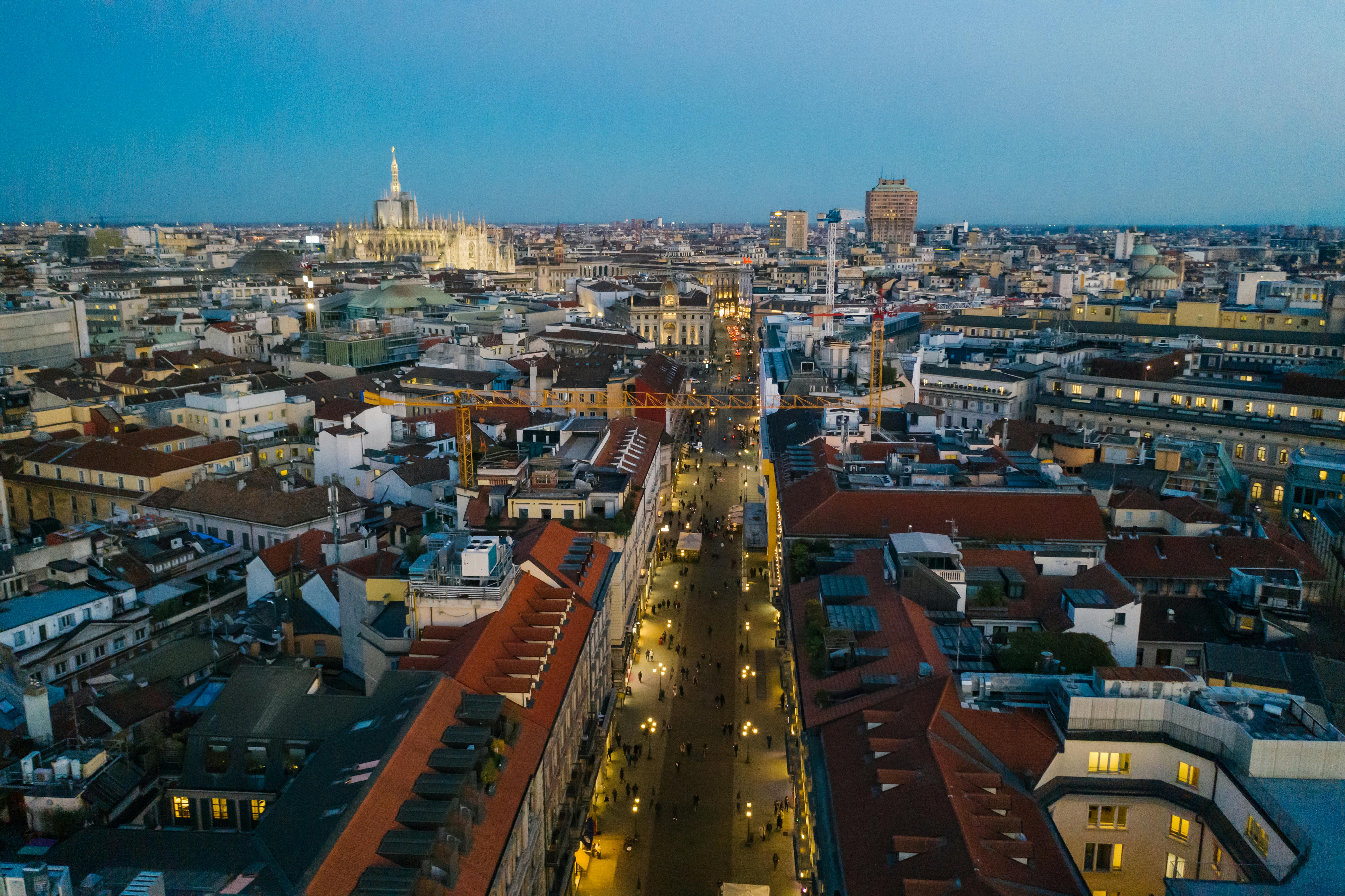
4m+
Ceiling Heights
100%
Buyer-Side Only
1905
Avg. Vintage Focus
Urban Selection evaluates every Milan property through an architectural lens — assessing spatial quality, natural light, plan logic and structural potential before any financial analysis.
The most architecturally significant apartments in Milan are rarely the most visible. They exist in buildings with controlled access, managed by families or administrators who rarely engage with public exposure.
Urban Selection accesses this layer of the market through direct relationships — not through portals.
Urban Selection accesses this layer of the market through direct relationships — not through portals.
Districts
Milan's Most Architecturally Significant Districts
In Milan, location alone does not define value. What matters is how a building holds space — and how that space relates to the city around it.
Brera
Where Milan becomes immediately recognisable.
Milan's most internationally recognised residential district — intimate streets, galleries and a concentration of early twentieth-century palazzi with exceptional spatial quality.
The most relevant residences rarely appear publicly.
The most relevant residences rarely appear publicly.
Magenta
Where space is measured in proportion, not in metres.
Broad tree-lined avenues and historic buildings define one of Milan's most composed residential environments.
Some of the city's most generous apartments are found here — often held within the same families for generations.
Some of the city's most generous apartments are found here — often held within the same families for generations.
Castello
Where architectural substance meets green.
Positioned between Brera and Magenta, this area offers a quieter residential continuity.
Apartments combine architectural substance with proximity to Parco Sempione.
Apartments combine architectural substance with proximity to Parco Sempione.
Porta Venezia
Where Liberty style becomes residential identity.
Defined by Liberty architecture and strong identity, it remains one of Milan's most distinctive districts.
Selected by clients seeking character and continuity.
Selected by clients seeking character and continuity.
Quadrilatero
Where address and architecture still carry equal weight.
Behind controlled facades, residential spaces combine location with architectural substance.
Access depends on discretion and trust.
Access depends on discretion and trust.
Porta Nuova
Where contemporary is measured by precise criteria.
Milan's contemporary transformation — towers and new developments.
Only a limited number meet true architectural criteria.
Only a limited number meet true architectural criteria.
Garibaldi / Moscova
Where urban history opens to the contemporary.
A transition between historic Milan and its contemporary expansion.
Selected by clients seeking centrality with a more fluid urban identity.
Selected by clients seeking centrality with a more fluid urban identity.
Isola
Where density transforms into spatial intelligence.
Now distinctly defined — combining pre-war buildings and refined conversions.
Chosen by buyers prioritising spatial intelligence and independence.
Chosen by buyers prioritising spatial intelligence and independence.
Pagano / CityLife
Where continuity meets transformation.
This area connects Milan's established residential fabric with contemporary developments.
Selected by clients seeking continuity of living — where architectural quality, openness and balance align.
Selected by clients seeking continuity of living — where architectural quality, openness and balance align.
Market View
Access Before Exposure
In Milan's prime residential market, the most significant transactions do not appear on public platforms. They are negotiated privately — between owners who prefer discretion and buyers who have earned access.
Urban Selection operates within this layer — sourcing through architects, notaries, building administrators and long-term owner relationships.
Urban Selection operates within this layer — sourcing through architects, notaries, building administrators and long-term owner relationships.
FAQs
Questions we are asked most often
The structure is simple. The implications are not.
Why Milan?
Milan is one of the few European cities where the architectural heritage of the early twentieth century coexists with a contemporary transformation of quality. This layering of periods and languages creates rare opportunities, but requires a precise reading to be understood. It is exactly the kind of market where Urban Selection's method finds its most natural application.
Which areas of Milan do you focus on?
We work across Milan's most architecturally significant neighborhoods: Brera, Montenapoleone, Navigli, Ticinese, and Porta Romana, among others. We're drawn to areas with distinctive architectural character and established communities. We can advise on emerging neighborhoods too, but our depth is in these established zones.
Do you only work with listed properties?
No. We work with both listed and off-market properties. Some of the most compelling acquisitions are found through our network—properties that haven't yet reached the open market.
Do you evaluate renovation potential?
Yes. Architectural evaluation is fundamental to what we do. We assess renovation scope, feasibility, cost, and design opportunity. If a property requires intervention, we help you understand what's possible and what it means for the acquisition strategy.
Milan
Find Your Place
in the City
Urban Selection identifies opportunities across Milan's most architecturally significant districts — exclusively for the buyer.