What Truly Makes an Apartment in Milan Exceptional
In Milan, the value of an apartment is often reduced to two variables: location and price per square metre.
In the upper segment of the market, these criteria are necessary — but rarely sufficient. Two properties in the same street, at similar prices, can offer radically different levels of quality, potential and long-term value.
Understanding what truly defines an exceptional apartment requires a different kind of reading — one that goes beyond metrics and focuses instead on space, light and architectural structure.
Proportions and Ceiling Height
One of the most defining elements of an apartment is often the least discussed: ceiling height.
The difference between 3.20 metres and 4.20 metres is not simply numerical. It changes the perception of space, the way light enters a room and the overall sense of proportion. Higher ceilings allow volumes to breathe, creating a sense of calm and continuity that cannot be replicated through decoration.
Historic apartments in Milan — particularly those in early twentieth-century buildings — often offer volumes that are no longer replicable in contemporary developments. These proportions create a spatial quality that remains, even when the interiors are entirely reconfigured.
Natural Light and Exposure
Light is one of the most valuable — and most misunderstood — elements in residential real estate.
Orientation alone does not determine quality. Southern exposure can offer intensity, but not always balance. Northern light, often perceived as less desirable, can provide a more consistent and controlled atmosphere, particularly in deeper spaces.
What truly matters is how light moves through the apartment during the day. The depth of the plan, the position of openings and the relationship between rooms all influence the perception of brightness.
An apartment with dual exposure — even on a lower floor — can offer a significantly better living experience than a higher unit with a single orientation. Cross-light, changing throughout the day, creates a dynamic quality that static light cannot provide.
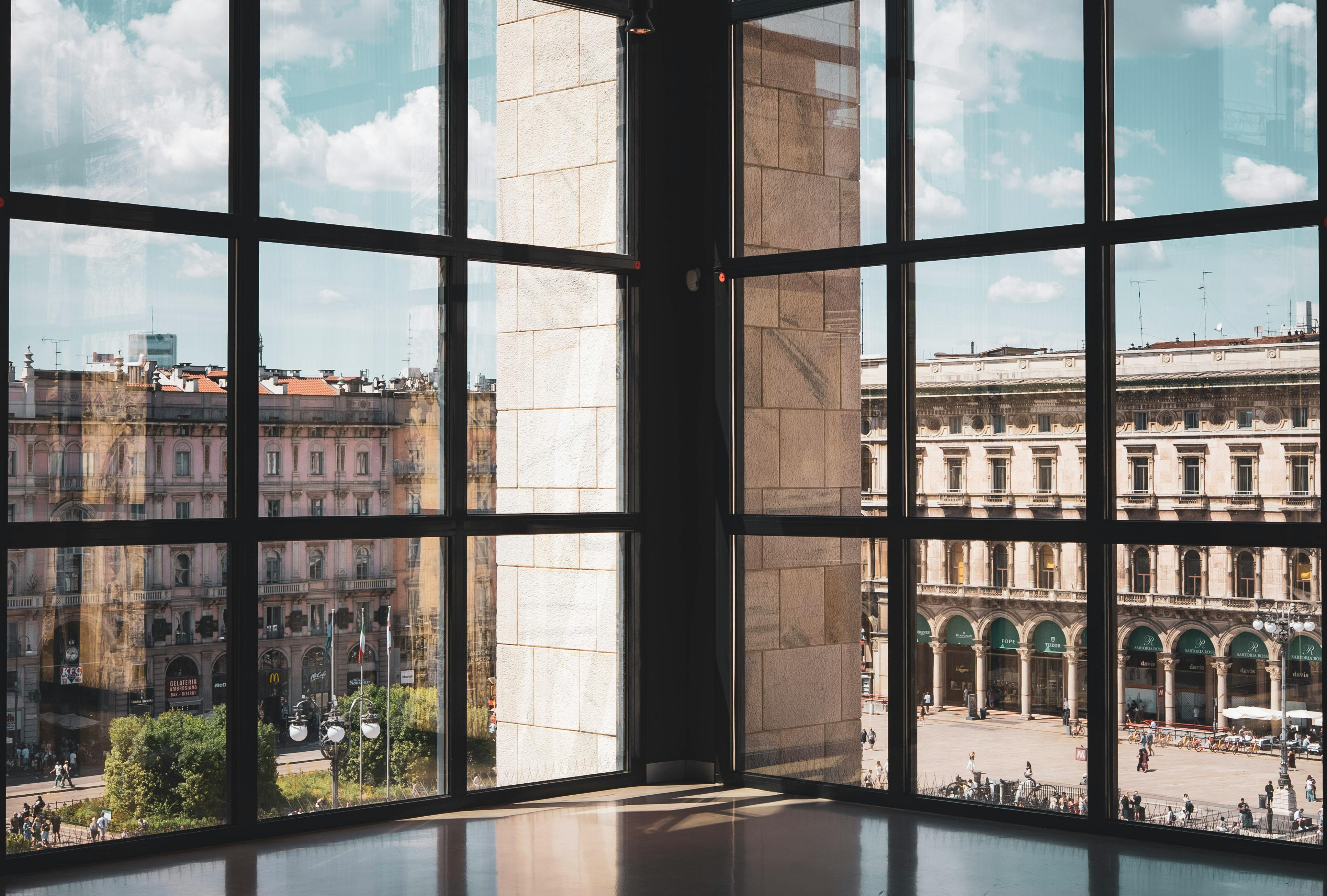
Views also play a role. Open perspectives, quiet internal courtyards or tree-lined streets contribute not only to visual comfort, but to the overall sense of space and privacy.
Layout and Spatial Flow
The original layout of an apartment often determines both its current quality and its potential for transformation.
Historic Milanese apartments frequently follow a sequence of rooms rather than a corridor-based distribution. This creates continuity and depth — a spatial rhythm that allows spaces to unfold gradually rather than being accessed in isolation.
By contrast, many more recent layouts prioritise efficiency over spatial quality, resulting in fragmented plans that are harder to reinterpret.
The ability to reorganise an apartment — to adapt it to contemporary living while preserving its architectural integrity — is one of the most important criteria in evaluating a property.
The Building Itself
An apartment cannot be considered in isolation from the building that contains it.
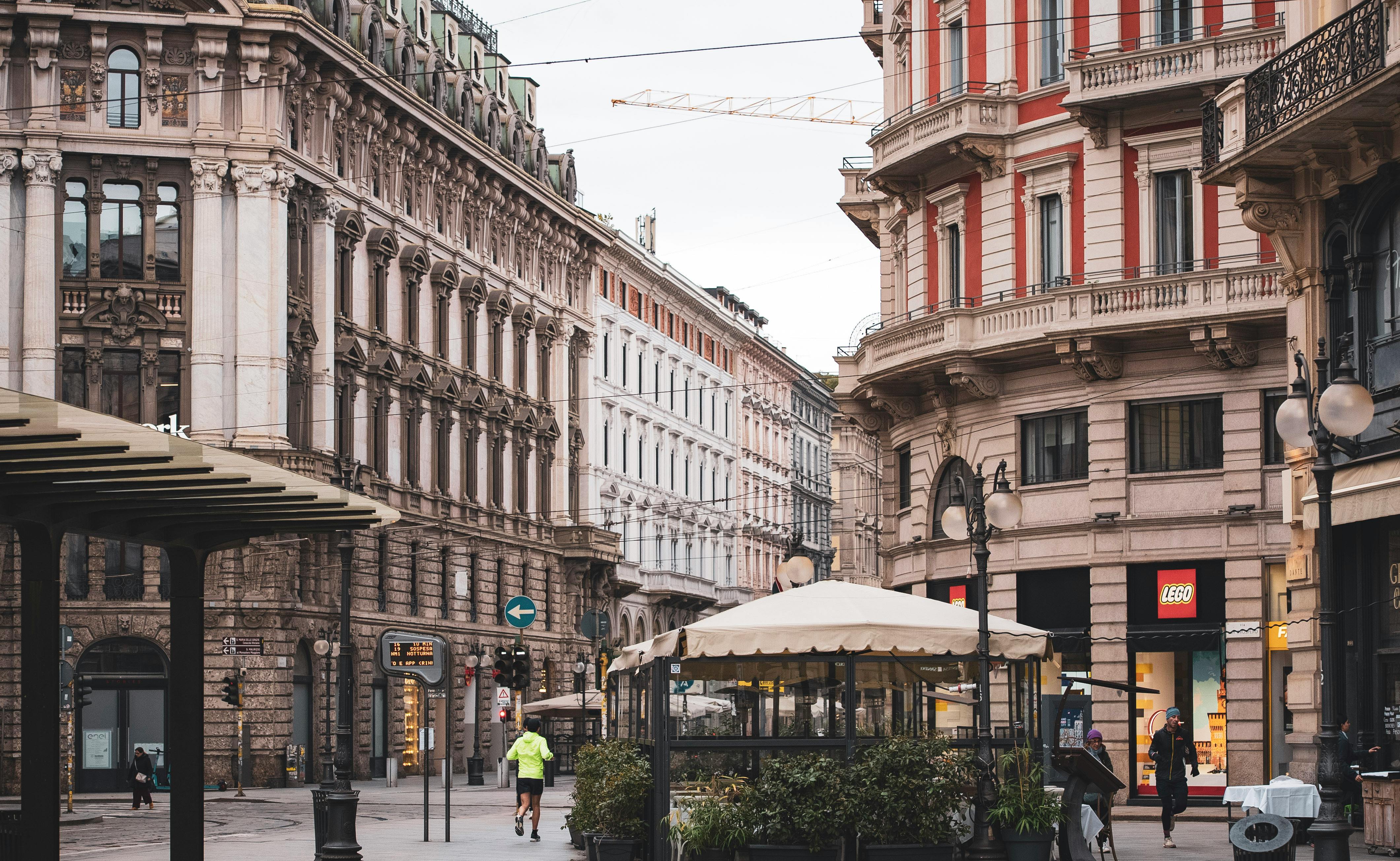
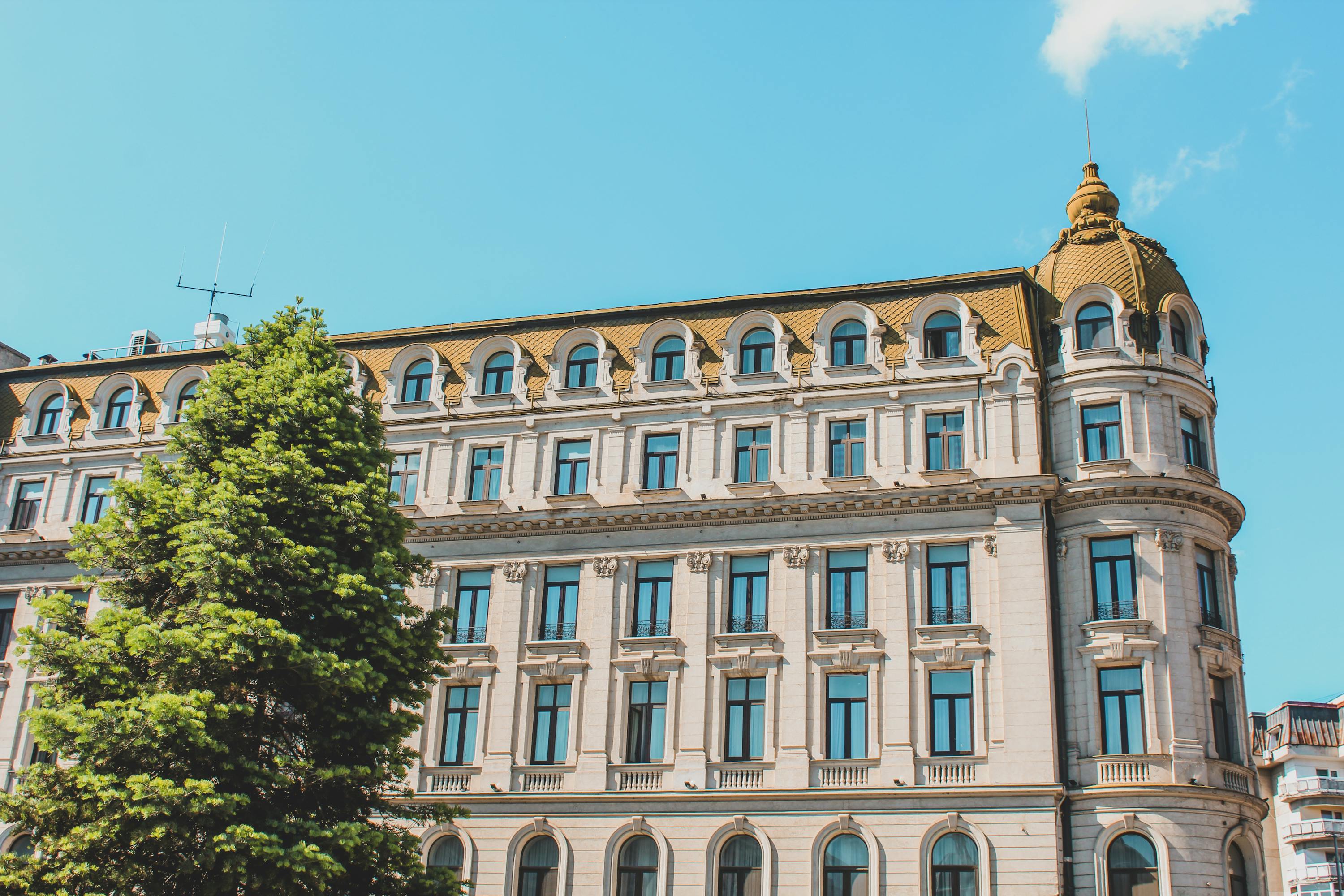
Early twentieth-century buildings, Liberty palazzi and certain rationalist constructions offer levels of craftsmanship, material quality and spatial generosity that extend beyond the individual unit.
Entrance halls, staircases and façades are not simply aesthetic elements — they define the identity of the property and contribute to its long-term value.
In many cases, the building itself becomes part of the acquisition rationale.
Architectural Potential
Perhaps the most important — and least visible — dimension is potential.
An apartment is rarely defined by what it is today, but by what it can become.
Structural elements, ceiling heights, the position of load-bearing walls and the overall proportions of the space all determine the possibilities for transformation. In many cases, the true value of a property lies not in its current condition, but in its capacity to evolve.
This requires a different kind of reading. It is not simply a matter of imagining finishes or decoration, but of understanding how space can be reconfigured, opened or rebalanced.
This is where architectural expertise becomes essential. The ability to identify latent potential — to see beyond the existing layout — is often what distinguishes an ordinary acquisition from an exceptional one.
Beyond the Obvious
In Milan's prime residential market, the most valuable properties are not always the most obvious ones.
They are often defined by qualities that are not immediately visible — proportions, light, structure and potential — rather than by address alone.
Recognising these elements requires a perspective that goes beyond price and beyond the surface of the property itself.

Matilde Malagola
Architecture, Residence and the City