Former Commercial Ground Floor — Residential Conversion
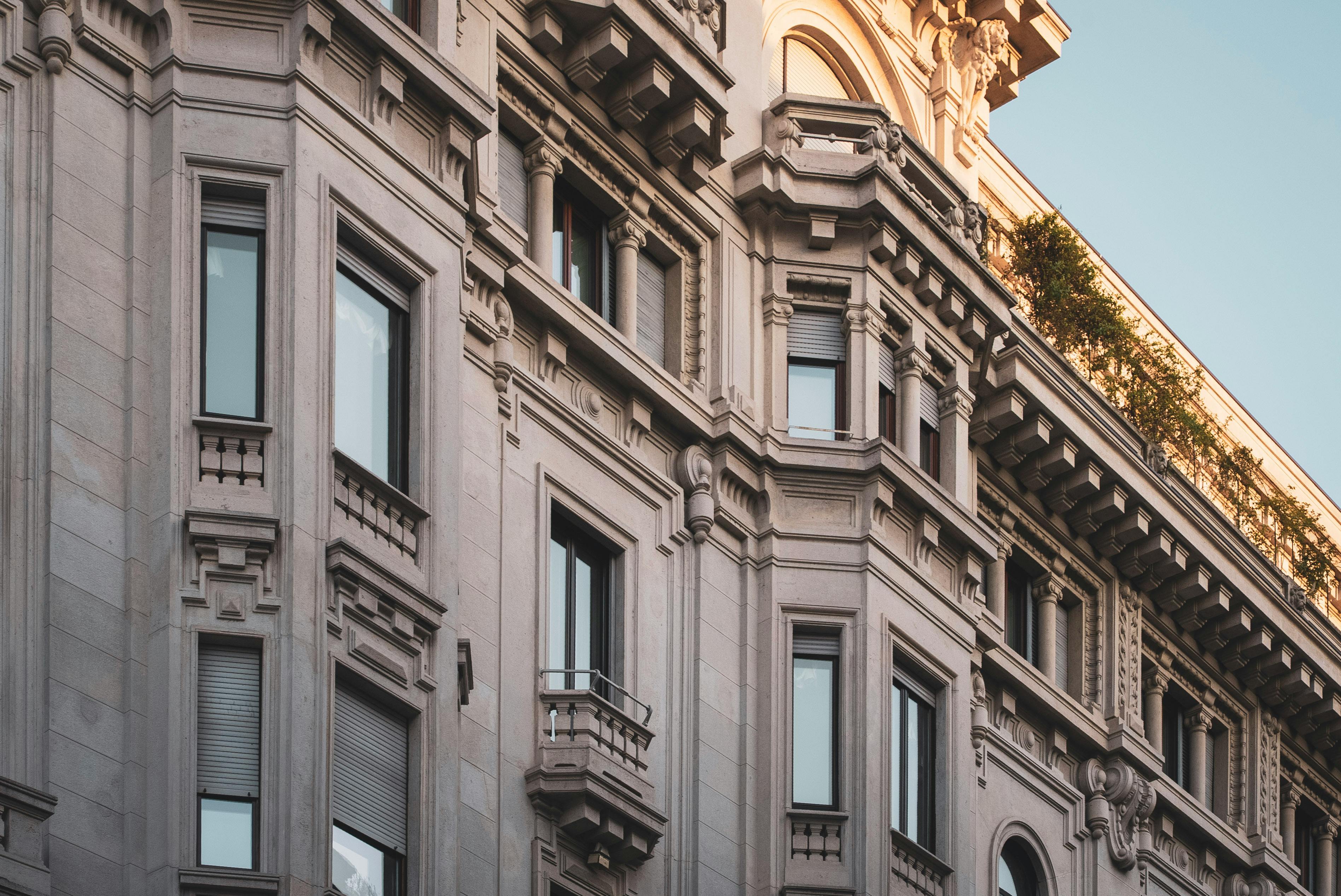
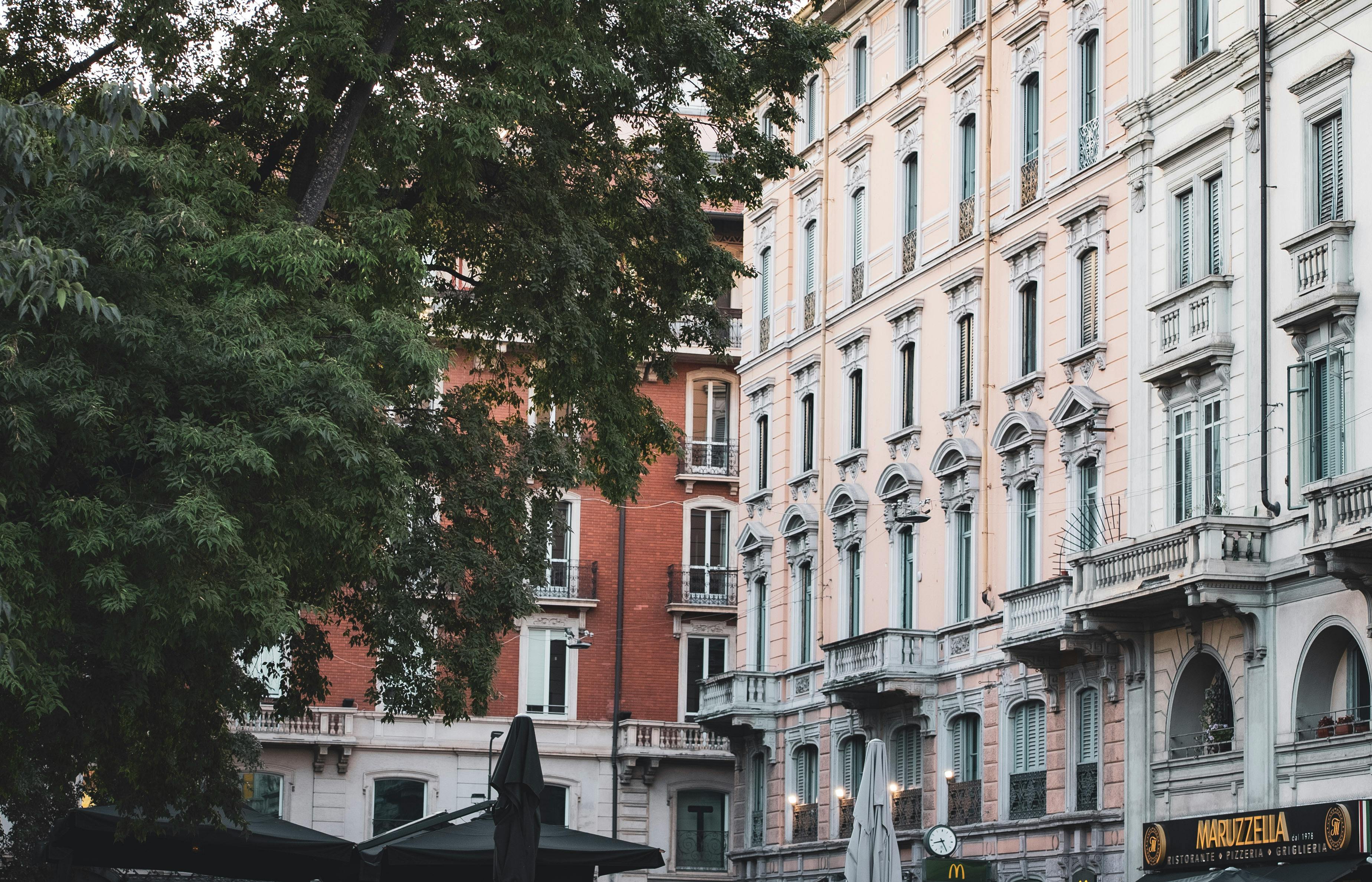
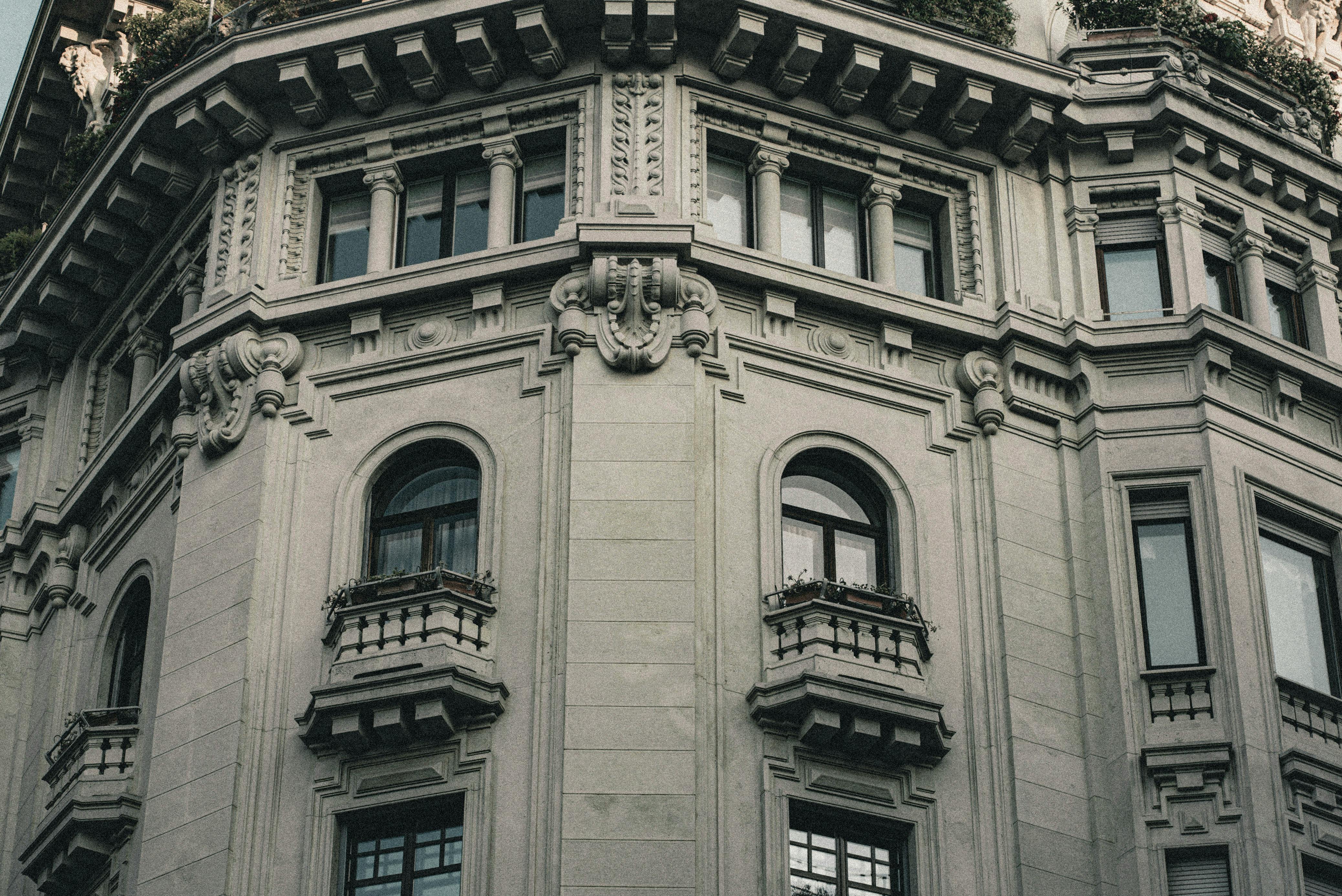
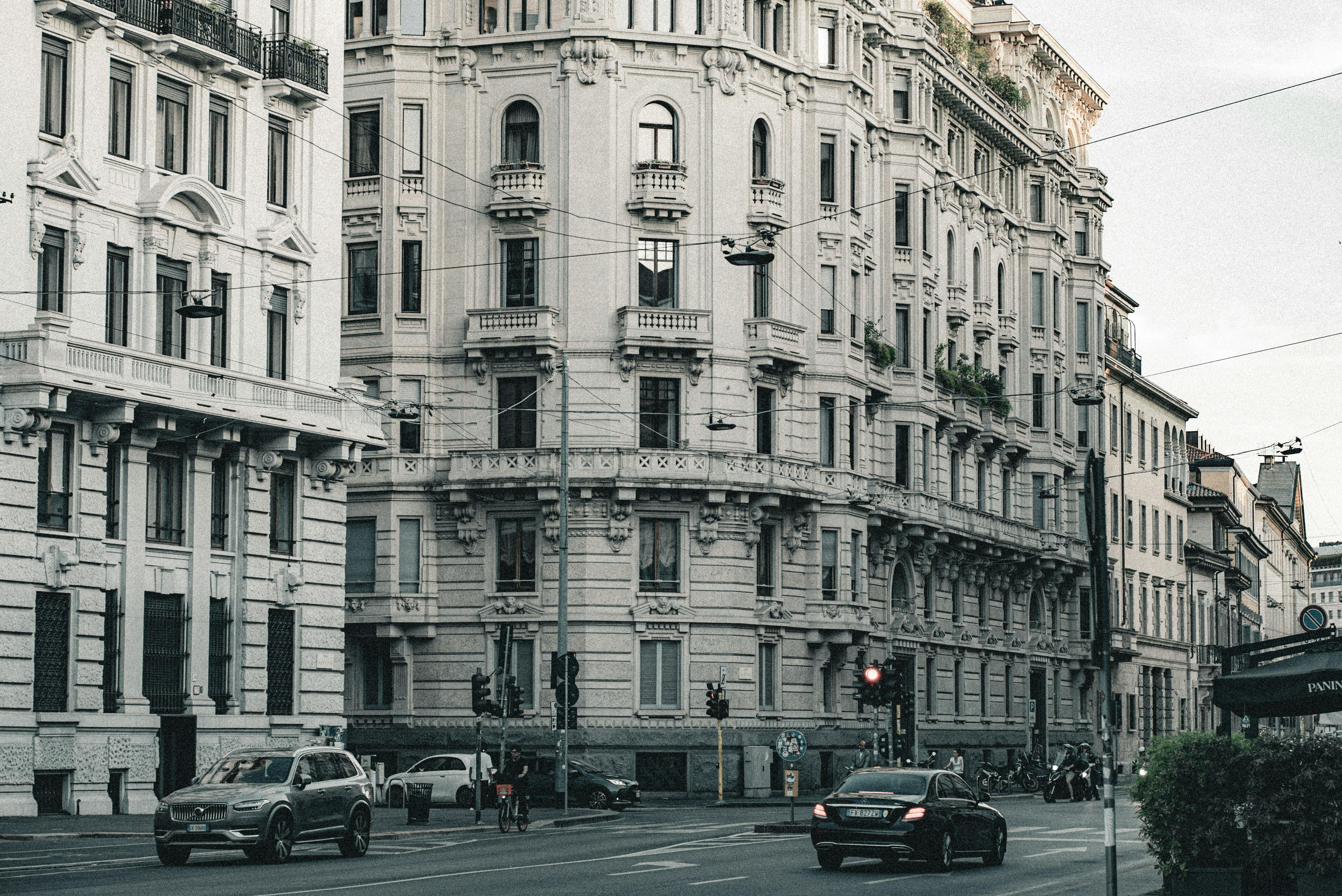
The building dates from the 1880s, one of a series of residential palazzi developed along the broad streets of the Magenta district during the period of rapid urban expansion that followed Italian unification. The apartment in question occupied portions of two upper floors, connected by an internal stair that had been added in the mid-twentieth century and had since compromised the spatial integrity of both levels.
The brief that emerged from the acquisition analysis was one of recovery rather than transformation: to identify and restore what the building had originally possessed, and to remove the layers of intervention that had obscured it. This required a forensic approach — stripping back finishes to understand the original wall planes, documenting surviving decorative elements that had been painted over or concealed, and reconstructing the circulation logic of the original plan.
The restored apartment retains the internal stair connection between floors but reroutes it to a position that no longer interrupts the principal room sequence. Original terrazzo floors, recovered and repaired, run throughout the lower level. Ceiling heights of 3.8 and 4.1 metres on the two floors respectively have been restored by removing suspended ceilings installed at an unknown date. Three sets of original shuttered windows, previously sealed, were reopened to restore the cross-ventilation and natural light that the building’s orientation had been designed to exploit.
The result is a residence that reads as a coherent whole — a property whose value derives not from its address alone, but from the depth of its architectural character and the quality of its spatial experience.